I’ve been asked whether yesterday’s post, “Blaming the Victim,” was about the student at Georgetown University who wrote after being mugged that it happened because people like him are “privileged.” He said that until there is economic equality, “we should get comfortable with sporadic muggings and break-ins. I can hardly blame them.”
No, I wasn’t commenting on him. At the time I wrote the post I hadn’t even heard of him.
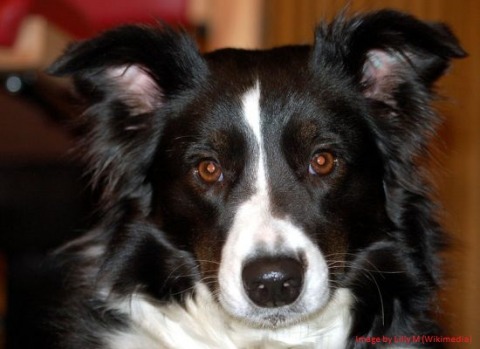 Once upon a long time ago I shared the foolish Romantic view that animals are somehow lessened by entering into partnership with man. But if man is greater than animal, why shouldn’t we say that they are enobled by it? The sheepdog or rescue dog which we admire is not a person; it is not rational; it does not understand the reasons for our commands. Yet i
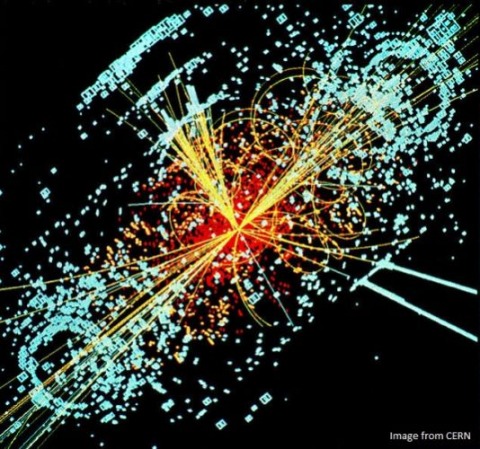 A Higgs boson particle walks into a Catholic church. Surprised, the priest asks, “what are you doing here?” The particle replies, “You can’t have mass without me!”