Tom Loarie of The Mentors Radio interviews me in connection with Pandemic of Lunacy: How to Think Clearly When Everyone Around You Seems Crazy, December, 2025

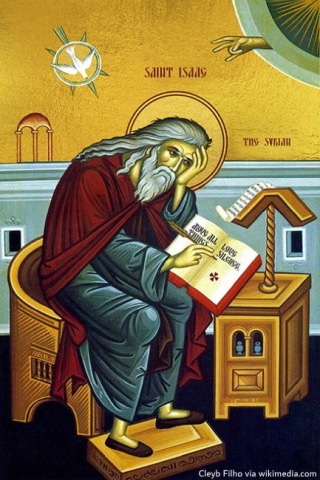
This Christmas night bestowed peace on the whole world;
So let no one threaten;
This is the night of the Most Gentle One -
Let no one be cruel;
This is the night of the Humble One -
Let no one be proud.
Now is the day of joy -


Is it right for an officeholder to use the legal machinery to target opponents? This is a serious question, and the pundits are right to suggest that what we now call “lawfare” establishes a dangerous precedent. However, you don’t have to like Mr. Trump to believe that in his case, at least, the question has been misframed.

In view of the “No Kings” disturbances, I had better begin this post by making clear that I was not thinking of Mr. Trump when I wrote it. It has no more to do with him than with Mr. Biden, or any other recent president, or, for that matter, any recent president’s handlers.
Let’s get on with it.
First Things web edition (22 September 2025)


Isn’t it ironic that encouraging people to deny their own biological sex is called “affirming their gender”?
Isn’t it ironic that surgically mutilating them, hormonally wrecking them, and encouraging them in their delusion is called “care?”
Isn’t it ironic that abortion, which prevents reproduction, is called a “reproductive right”?